
Opening Urban Skies for the Future of Autonomous Flight
Arclight delivers the airspace operating system enabling safe, scalable low-altitude operations — starting in Malta.
Looking for government partners, investors, advisors, and early team members.
Problem
Urban Air Mobility demand is rising faster than airspace infrastructure can support.
Autonomous aircraft capabilities are advancing rapidly, but the systems required to manage low-altitude airspace at scale were never designed for this level of activity.
1. Demand for low-altitude operations increases
Drones and future Urban Air Mobility applications are expanding across logistics, inspections, emergency response, and public services.
2. Existing airspace tools reach their limits
Manual approvals, fragmented oversight, and isolated systems cannot scale to support increasing operational volume.
3. Authorities lose real-time visibility and control
Without a unified operating layer, regulators lack continuous insight into who is flying, where, and under what conditions.
4. Scaling becomes impossible
As oversight gaps widen, permissions remain restricted and national-level deployment of Urban Air Mobility cannot progress.
Solution
AMOS — Aerial Mobility Operating System
Arclight is building a national airspace operating layer that connects authorities, operators, and manufacturers into a single transparent environment — enabling safe, scalable low-altitude operations and a pathway to Urban Air Mobility.
Authority-first oversight
A national layer designed around regulatory control: constraints, permissions, corridors, and transparent oversight across low-altitude operations.
Unified operating environment
One system connecting policy and operations — reducing fragmentation and enabling consistent rules across missions and airspace zones.
Built to scale
Moves beyond manual approvals and isolated permissions to support higher operational volume with predictable operating conditions.
What AMOS provides
The missing infrastructure between policy and operations
AMOS acts as the national coordination layer for low-altitude airspace — enabling transparent permissions, structured corridors, and continuous oversight as operational demand increases.
Authorities & Regulators
Set rules, monitor operations continuously, and retain clear control over national low-altitude airspace.
Operators
Operate under predictable conditions that enable scalable missions across logistics, inspections, and public services.
Manufacturers & Innovators
A pathway to integrate aircraft types into a unified operating environment and compliance layer as autonomy evolves.
Why Malta
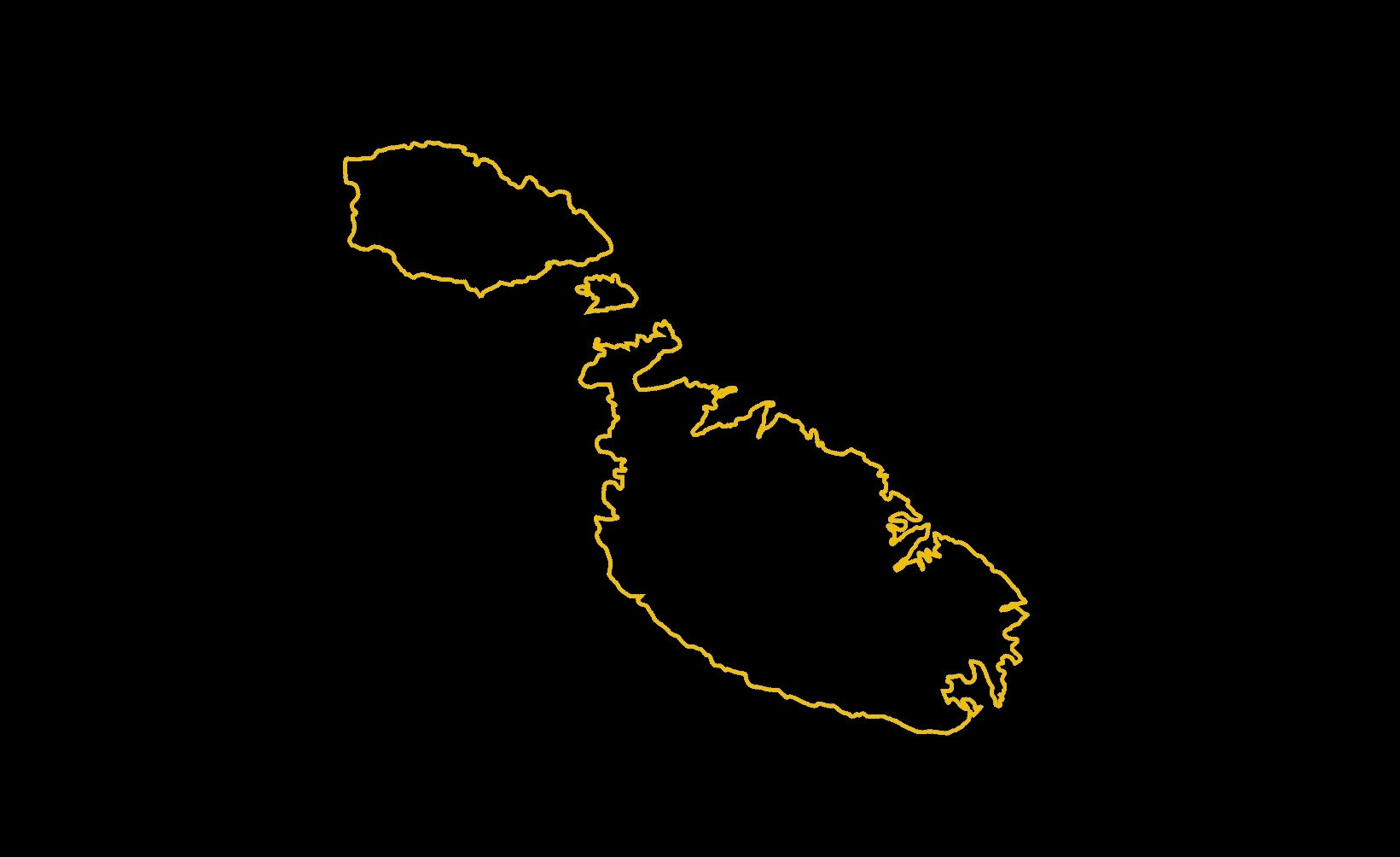
A Malta-first deployment to prove national infrastructure
Malta offers an ideal environment to validate national low-altitude airspace infrastructure quickly — creating a blueprint that can scale beyond a single jurisdiction.
Pilot → National → Scalable model
Build the operating layer once — validate nationally — scale outward
Malta allows rapid pilot iteration with clear oversight and stakeholder alignment, while keeping the deployment logic compatible with broader future adoption.
National-scale testbed
Compact geography enables end-to-end validation across corridors, constraints, and oversight in a real deployment context.
Regulatory agility
A practical environment for piloting authority-first infrastructure with clear stakeholder alignment.
EU relevance
A Malta-first blueprint designed to support integration pathways aligned with wider European frameworks.
High-visibility deployment
Centralized stakeholders and clear governance help accelerate cooperation, iteration, and adoption.
Deployment path
Pilot validation
Test corridors, oversight, and operating rules in a controlled national rollout.
National deployment
Expand mission volume with consistent permissions and transparent control.
EU integration pathway
Translate the model into a scalable blueprint for broader adoption.
Applications
One operating layer enables many mission domains
AMOS is infrastructure: it supports multiple use cases without rebuilding airspace logic each time. Different missions — one national operating environment.
One system
Consistent permissions and constraints across missions
Authority-first
Oversight is designed-in, not added later
Scalable volume
From pilots to national deployment without fragmentation
Logistics & Delivery
Enable scalable commercial drone deliveries under consistent national rules, with transparent oversight and predictable operating conditions.
Infrastructure Inspections
Support repeatable inspection routes for utilities, construction, and critical infrastructure with controlled access and traceable compliance.
Emergency & Public Services
Provide priority operations and controlled access for rapid-response missions while maintaining authority-first coordination and safety constraints.
Environmental & Maritime Monitoring
Coordinate low-altitude monitoring missions with structured permissions and operational traceability across sensitive zones.
Future UAM Corridors
A pathway to passenger-grade corridor concepts as autonomy and certification mature — built on the same national operating layer.
Airport & Airfield Interfaces
Enable controlled interactions between low-altitude operations and existing aviation environments through clear constraints and oversight boundaries.
The goal is not to build separate solutions for each mission type — it’s to establish a national operating layer that makes safe scaling possible across all of them.
Cooperation
Built with stakeholders — not around them
Arclight is designed as national infrastructure. We collaborate with authorities, operators, and manufacturers to define oversight, validate operational needs, and create a scalable deployment model.
With Authorities
Define governance, constraints, corridors, and oversight requirements. Co-design transparency and control as part of the operating layer.
- Oversight model
- Rules & constraints
- Pilot corridors
With Operators
Validate operational requirements across mission types and ensure the system supports scalable operations under consistent national rules.
- Use-case validation
- Operational workflows
- Scaling requirements
With Manufacturers
Enable aircraft and autonomy providers to integrate into a unified operating environment with clear compliance and interoperability pathways.
- Integration pathways
- Interoperability
- Future readiness
What we’re looking for now
Partners to shape pilots and national deployment readiness
Pilot partners
Stakeholders to shape corridor concepts, oversight needs, and early deployment constraints.
Ecosystem partners
Operators and manufacturers ready to validate requirements and integration pathways.
Advisors & supporters
Aviation, regulatory, and infrastructure expertise to accelerate national readiness.
If you’re interested in piloting, advising, or supporting deployment in Malta, we’d like to connect.
FAQ
Key questions
Short answers for stakeholders evaluating pilots, cooperation, or investment.
What is AMOS (Aerial Mobility Operating System)?
+
What is AMOS (Aerial Mobility Operating System)?
+AMOS is the national operating layer for low-altitude airspace. It connects authorities, operators, and manufacturers into a unified environment that supports permissions, constraints, compliance, and transparent oversight as operational demand grows.
Is Arclight a drone operator or a UAM aircraft company?
+
Is Arclight a drone operator or a UAM aircraft company?
+No. Arclight is building infrastructure. The goal is to enable multiple operators and aircraft types to operate under consistent national rules with authority-first visibility and control.
How do authorities retain control?
+
How do authorities retain control?
+The system is designed around authority-defined constraints, corridors, and operational rules. Oversight and transparency are treated as core requirements rather than add-ons.
Why Malta first?
+
Why Malta first?
+Malta provides an agile national environment for piloting and validating infrastructure deployment. The aim is to prove a national blueprint that can scale outward to other jurisdictions over time.
What use cases does this enable?
+
What use cases does this enable?
+AMOS supports multiple mission domains — such as logistics and delivery, infrastructure inspections, emergency/public services, environmental monitoring, and future UAM corridor concepts — without rebuilding airspace logic for each use case.
Is this a replacement for existing aviation systems?
+
Is this a replacement for existing aviation systems?
+Arclight is focused on enabling low-altitude operations in a coordinated, compliant manner. Integration pathways depend on deployment scope and stakeholder requirements; the intent is to complement established aviation structures while enabling scalable low-altitude activity.
What stage are you at today?
+
What stage are you at today?
+We’re developing and validating the core operating-layer concept and shaping pilot requirements through early stakeholder engagement. Deployment is approached through staged pilots before broader national scaling.
What are you looking for right now?
+
What are you looking for right now?
+Pilot partners, ecosystem partners (operators and manufacturers), and advisors/supporters with aviation, regulatory, and infrastructure experience — especially those interested in Malta-first deployment.
Note: Specific deployment details and integration pathways depend on stakeholder requirements and regulatory alignment during pilots.
Contact
Build the Malta-first blueprint for scalable low-altitude airspace
If you’re interested in pilots, partnership, or supporting national deployment readiness, let’s connect.
CEO & Founder
For pilots, stakeholder collaboration, and deployment discussions.
- Pilot & corridor planning
- Ecosystem partnerships (operators & manufacturers)
- Advisors & supporters
Email is revealed on request to reduce automated scraping.